Soot removal WHITEWATER CA that clears residue and odor
Fast, thorough soot cleanup for homes and businesses in Riverside County
When smoke settles, soot removal WHITEWATER CA work starts with containment and HEPA vacuuming, not a rag and a bucket. We handle soot cleanup WHITEWATER CA for kitchens, attics, garages and commercial spaces, pulling oily residue off walls, ceilings and framing before it etches deeper. Call (833) 929-6186 and we will walk your rooms, test the residue and give you a straight price.
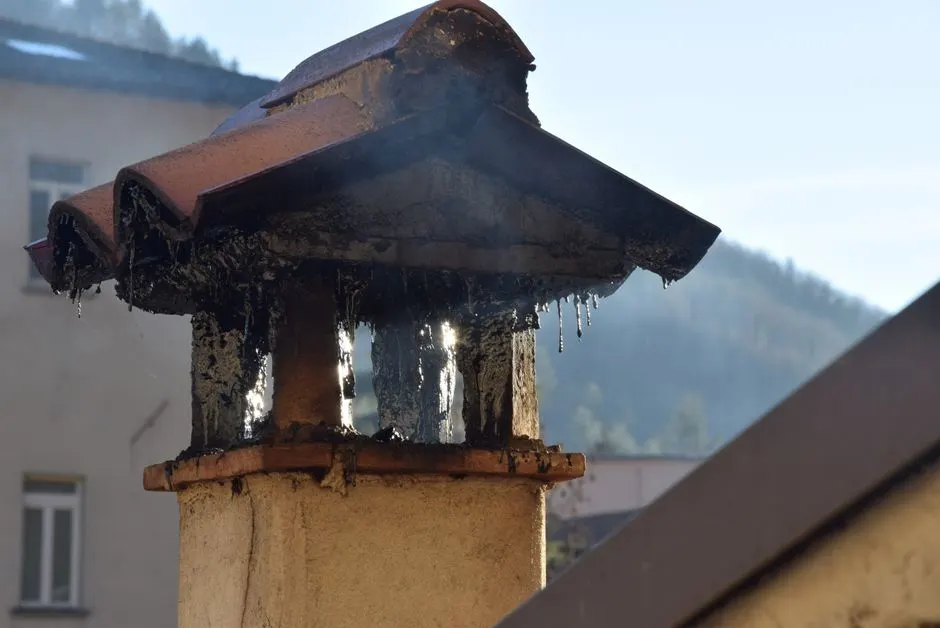
What soot removal WHITEWATER CA actually involves
Soot removal WHITEWATER CA is the physical cleaning and chemical neutralization of smoke residue left after a fire, and it is the step that decides whether a building smells clean or keeps stinking for years. Soot is not ash. It is an acidic, oily film that bonds to drywall, lumber framing, insulation and HVAC surfaces within hours. Our technicians HEPA vacuum the loose layer first, then match the cleaning agent to the residue type, because protein smoke from a kitchen fire and wet smoke from a slow-burning electrical fire need different chemistry.
In Whitewater, most calls we get are kitchen grease fires in rentals near the University of Wisconsin-Whitewater Area and older homes in the Whitewater Commercial Historic District where smoke has pushed into wall cavities. If you are searching for soot removal near me WHITEWATER CA after a small fire, the residue is usually spread far beyond the room where flames were visible. We follow the smoke path with a thermal imaging camera, seal off unaffected rooms with a negative air machine, and keep soot from migrating through the return ducts while we work.
Why professional soot cleanup pays off
Soot left alone keeps damaging surfaces long after the fire truck leaves. These are the outcomes our Whitewater customers notice most, and each one comes from a specific step in our process rather than a promise.
Stop acidic etching
Soot residue is acidic and starts dulling and pitting finished surfaces within 24 to 72 hours. We neutralize it with the right agent instead of scrubbing it deeper, which is why wall soot removal WHITEWATER jobs done on day one usually save the paint and the drywall underneath.
Clear the odor at the source
Smoke odor lingering in a house is usually residue you cannot see, sitting on framing and inside cabinets. We pair surface cleaning with a hydroxyl generator or thermal fogger so the smell is destroyed rather than masked, and most homes pass the sniff test within 48 hours of our final treatment.
Protect the HVAC system
Smoke-damaged HVAC systems pull soot into ducts and spread it every time the furnace runs. We clean and seal the affected runs and change out HEPA filters, so you are not re-contaminating freshly cleaned rooms the first cold night of the year.
Keep restoration costs down
Cleaning beats replacing. When soot cleanup services in WHITEWATER, California reach the walls before residue sets, we often save drywall, cabinets and trim that would otherwise be tear-out. That difference can run into thousands of dollars on a single kitchen fire.
How our soot cleanup process runs
Every job follows the same five stages, whether it is one bedroom or a whole commercial building. You will know what is happening in your home each day and who is inside it.
Walk and test
We inspect the full smoke path, not just the burned room, and test residue with a moisture meter and thermal imaging camera to find hidden wet spots from firefighting water. This walk takes 45 to 90 minutes and ends with a written scope and price before any equipment comes in.
Contain the work
We set up negative air machines and plastic barriers so soot and cleaning dust stay in the affected zone. Air scrubbers with HEPA filters run continuously, which matters in Whitewater homes where a single return duct can carry residue into bedrooms that never saw smoke.
Remove the residue
Loose soot comes off with HEPA vacuums first. Then we clean surfaces with the agent matched to the residue, working top down so nothing drips onto finished work. Walls, ceilings, framing, cabinet interiors and light fixtures all get treated, and we bag residue instead of sweeping it around.
Neutralize and deodorize
After surfaces are clean, we treat the air and cavities with a hydroxyl generator or thermal fogger, depending on occupancy. Hydroxyl is safe to run while you are home; thermal fogging is faster on heavy protein smoke. Either way, the goal is destroying odor molecules, not covering them.
Verify and hand back
We re-inspect with the moisture meter, check that cavities are dry, and do a final odor check with you in the room. If anything still reads wet or smells, we treat it again before we pack up. Most residential soot jobs finish in two to four days.
Five years of fire and smoke cleanup
Fire Damage Restoration Whitewater has handled soot and smoke cleanup in Whitewater since 2021, and our technicians are trained to the same standards the large restoration networks use. That means IICRC Fire and Smoke Restoration Technician (FSRT) and Odor Control Technician (OCT) training, plus the water damage side through IICRC Water Damage Restoration Technician (WRT), because most fires leave wet framing behind. We work to ANSI/IICRC S500 and S520 and follow NFPA 921 when we document cause and spread for your insurance claim.
- IICRC FSRT and OCT trained technicians on every soot job
- IICRC WRT training for firefighting water and drying
- Documentation built for Xactimate so adjusters can process claims faster
- EPA Lead-Safe Certified Firm practices on pre-1978 Whitewater housing stock
- California State Contractor License (B - General Building) and (C-61/D-63 - Remediation)
Why Whitewater calls us for soot removal
Plenty of companies will clean a wall. Fewer will find the smoke you cannot see, dry the water you forgot about, and hand you a claim file that does not bounce back. Here is what that looks like in practice.
We test before we clean
Every job starts with a moisture meter and thermal imaging camera pass, because firefighting water hides in wall cavities and attic insulation. Cleaning soot over wet framing traps moisture and grows mold within a week. We find it first.
Odor treatment included
Our soot cleanup WHITEWATER CA pricing includes air treatment with a hydroxyl generator or thermal fogger, not as an upsell. If the smell is still there when we leave, the job is not done, and we come back at no charge.
Insurance-ready paperwork
We photograph affected materials, measure rooms, and build the scope in Xactimate format so your adjuster has what they need. That shortens the gap between cleanup and your check, which matters when you are paying for a hotel.
Local response, not a call center
We are based here and know the housing stock, from the older homes near Cravath Lakefront to rentals around the University of Wisconsin-Whitewater Area. When you call (833) 929-6186, you reach people who can be at your door, not a dispatcher three states away.
What our soot removal service includes
Our standard soot removal scope covers containment, HEPA vacuuming, surface cleaning, odor treatment and a final verification walk. Structural repair, insulation replacement and contents pack-out are quoted separately when the damage calls for them, and we tell you which category each item falls into before you approve the work.
What's Included
Containment and air scrubbing
We set negative air machines and HEPA air scrubbers before cleaning starts, so soot and dust stay in the affected zone. This protects rooms that were not damaged and keeps the rest of your home livable during the work.
HEPA vacuuming of all surfaces
Loose soot comes off walls, ceilings, framing and cabinet interiors with HEPA vacuums. Vacuuming first is what makes the wet cleaning step effective instead of smearing residue deeper into drywall paper.
Residue-matched surface cleaning
Protein smoke, wet smoke and fuel-based residue each need a different cleaning agent. We test a small area, match the chemistry, and clean top down so nothing drips onto finished surfaces.
Odor neutralization
Hydroxyl generators or thermal foggers destroy odor molecules in the air and cavities. Hydroxyl runs safely while you are home; thermal fogging is faster on heavy smoke and we schedule it around your occupancy.
Moisture check and dry-down
Firefighting water hides in cavities and insulation. We meter the structure at the start and again at the end, and we dry anything wet before we call the job finished.
Final verification walk
We walk the rooms with you, check the moisture readings and do an odor check in the worst-affected space. If anything still reads wet or smells, we treat it again before we pack up.
Soot problems we solve in Whitewater homes
Most soot complaints we hear are not about the fire itself. They are about what showed up afterward: the smell in the closet, the film on the ceiling, the HVAC system spreading residue every time it runs.
Smoke odor that returns after cleaning
Odor that comes back usually means residue is still on framing or inside cabinets. Masking it with sprays makes the problem worse and can trap moisture in the process.
We find the source with a thermal imaging camera, clean the residue, then run a hydroxyl generator or thermal fogger to destroy the odor molecules. Our soot cleanup WHITEWATER CA scope includes this step, so the smell does not come back after we leave.
Soot residue on walls and ceilings
Acidic residue etches paint and drywall within 24 to 72 hours. Left longer, it can pit finished surfaces and force repainting or replacement.
We HEPA vacuum first, then clean with the agent matched to the residue, working top down. Wall soot removal WHITEWATER jobs done early usually save the paint and drywall underneath, which is a fraction of the cost of replacement.
Smoke-damaged HVAC spreading residue
Every time the system runs, it pushes soot particles back into rooms you just cleaned. This is one of the most common reasons a soot job fails.
We seal the affected runs, clean accessible ductwork and change HEPA filters before we finish. If the system needs a deeper duct cleaning, we coordinate it so the air handler is not re-contaminating the house.
Hidden moisture from firefighting water
Water sits in wall cavities and attic insulation after the hoses stop. Soot cleanup over wet framing traps moisture and can grow mold within a week.
We meter every affected cavity at the start and dry the structure before final cleaning. Our IICRC Water Damage Restoration Technician training is why we check for water on a fire job at all.
When Whitewater customers call us for soot
A kitchen grease fire in a rental near the University of Wisconsin-Whitewater Area left a sticky film on cabinets and the ceiling.
We contained the kitchen, HEPA vacuumed the residue, degreased the cabinets with a protein-smoke agent and ran a hydroxyl generator for two days. The shared wall was checked for smoke migration into the next unit.
The unit was back on the rental market in four days with no odor complaint from the next tenant.
An electrical fire in an older home near the Whitewater Commercial Historic District pushed wet smoke into wall cavities and the attic.
We opened the affected cavities, cleaned the framing and joists, replaced insulation that could not be saved and treated the attic with a thermal fogger. Moisture readings were taken before and after dry-down.
The structure dried to normal readings in three days and the homeowner avoided a full attic gut.
A small commercial fire in a Downtown Whitewater storefront left soot on inventory shelving and the ceiling grid.
We phased the work so the owner could reopen the front half of the store while we cleaned the back. Shelving was cleaned on site, and ceiling tiles that could not be cleaned were replaced.
The store reopened in two days with the back room finished on day four, and the claim file was ready for the carrier that week.
Tools and methods we use on soot jobs
Tools & Equipment
HEPA vacuum
Removes loose soot without throwing particles back into the air. This is always the first cleaning step, before any wet agent touches a surface.
Negative air machine and air scrubber
Keeps the work zone under negative pressure and filters airborne particles. Protects rooms that were not damaged and keeps the rest of the home livable.
Thermal imaging camera
Finds hidden moisture from firefighting water and traces the smoke path into cavities you cannot see. We use it on the initial walk and again before we finish.
Moisture meter
Reads moisture in drywall, framing and insulation. We meter affected cavities at the start and confirm dry-down before the job is closed out.
Hydroxyl generator
Destroys odor molecules in the air and cavities and is safe to run while you are home. Our default choice for occupied houses.
Thermal fogger
Faster on heavy protein smoke and sealed cavities. We schedule it around occupancy and ventilate afterward.
Dry ice blasting equipment
Cleans char and residue off framing and difficult surfaces without abrasion. Useful on lumber framing where sanding would remove too much material.
Methods
ANSI/IICRC S520 mold and smoke remediation practice
We follow S520 for containment, cleaning and verification on smoke-affected structures. It is the same standard the large restoration networks use, and it gives your adjuster a familiar framework for the claim.
NFPA 921 fire investigation standards
When we document cause and spread for insurance, we follow NFPA 921 language. That keeps the report consistent with what your carrier's investigator expects to see.
Xactimate scoping
We build the scope in Xactimate format with room measurements and photographs. Adjusters can process it faster, which shortens the gap between cleanup and your payout.
Sealant and encapsulant application
On framing that cannot be fully cleaned, we apply a smoke sealant primer or encapsulant to lock remaining residue in place. This is common in attics and wall cavities where replacement is not practical.
How soot removal runs in Whitewater
Whitewater's housing stock shapes how we approach soot. The older homes around Downtown Whitewater and the Whitewater Commercial Historic District often have plaster walls and balloon framing, which lets smoke travel from a kitchen fire up into the second floor and attic. Newer rentals near the University of Wisconsin-Whitewater Area tend to have tighter construction, so residue concentrates in the affected unit but odor spreads through shared HVAC. Winter matters too: fires in November through February usually mean the furnace is running, and a smoke-damaged HVAC system will spread residue through the whole house within a day. We check the air handler early on every cold-weather job. If you need soot cleanup services in WHITEWATER, California on a weekend, call (833) 929-6186 and we will schedule the walk-through. We also coordinate with Riverside County carriers and use California State Contractor License (C-61/D-63 - Remediation) scope language so the claim matches the work.
Service Areas
Older commercial and residential buildings with plaster walls and shared party walls. Smoke often crosses into adjacent units, so we check both sides.
Dense rental housing where kitchen fires are common. Fast turnaround matters because units sit empty and rent is on the line.
Older homes with attic spaces that trap smoke. We often find residue on roof decking that was not visible from inside the living space.
Historic storefronts where original trim and plaster need cleaning rather than replacement. We test agents on a small area first.
Residential streets where fires tend to stay contained to one house, but HVAC systems spread odor to every room.
Local Considerations
Cold winters with the furnace running
A smoke-damaged HVAC system spreads soot through the whole house within a day. We inspect and seal the air handler early on any job between November and February.
Older balloon-frame construction
Smoke travels vertically inside wall cavities from the fire room to the attic. We trace the path with a thermal imaging camera instead of cleaning only what is visible.
Firefighting water in wall cavities
Water sits behind drywall and in insulation after the hoses stop. We meter every affected cavity and dry the structure before final cleaning.
Kitchen grease fire, Downtown Whitewater
A grease fire coated the kitchen cabinets, ceiling and adjacent hallway with a sticky protein film. The homeowner had wiped one wall with a household cleaner, which set the residue into the paint. Odor was strong in the adjoining bedroom.
We HEPA vacuumed the residue, degreased the cabinets and ceiling with a protein-smoke agent, and ran a hydroxyl generator for 48 hours. The bedroom odor cleared, and only one wall needed repainting instead of the whole kitchen.
Maintenance & Follow-up
Keep the range hood filter clean and avoid wiping soot with water before vacuuming. If odor returns, call us rather than using aerosol sprays, which can trap residue.
An electrical fire in the attic sent wet smoke through the roof decking and insulation. The homeowner expected a full attic gut. Moisture readings showed wet framing from firefighting water in two bays.
We cleaned the joists and decking, replaced insulation in three bays that could not be saved, and dried the wet framing to normal readings in three days. The attic passed a final odor check without fogging the living space.
Maintenance & Follow-up
Have the attic wiring inspected before re-insulating. Check for odor on warm days, when residue in framing releases more vapor.
A small fire in a back stockroom left soot on shelving and the ceiling grid. The owner could not afford to close the front of the store for a week, and the carrier wanted documentation before approving the scope.
We phased the work, cleaning the back room first and then the sales floor after hours. Shelving was cleaned on site, four ceiling tiles were replaced, and the Xactimate file went to the carrier the same week.
Maintenance & Follow-up
Keep the stockroom clear of cardboard near outlets and have the ceiling grid checked after any future fire. Soot on grid metal is easy to miss until the lights are on.
What soot removal costs in Whitewater
Typical 2026 pricing for soot removal in Whitewater runs $450 to $3,200 for residential work, with commercial jobs quoted by square footage and phasing. The low end is a single room with light residue; the high end is whole-house smoke spread with cavity cleaning and contents. We walk the job, test the residue and give you a fixed price before equipment comes in. If you are comparing soot cleaning near me WHITEWATER quotes, ask whether odor treatment and moisture checks are included, because those are the two items most often left out.
Pricing Factors
Square footage affected
Residue rarely stays in the room where flames were visible. Smoke follows the path of least resistance, so a 200-square-foot kitchen fire can affect 1,200 square feet of living space once the HVAC runs.
Residue type
Protein smoke from a kitchen fire is stickier and needs different chemistry than wet smoke from an electrical fire. Fuel-based residue can require dry ice blasting on framing, which adds labor.
Cavity and attic access
Cleaning inside wall cavities and attics takes longer than surface cleaning. Balloon framing in older Whitewater homes often means opening a wall to reach residue that traveled up from the fire room.
Contents cleaning
Furniture, clothing and textiles can be cleaned on site or packed out. Pack-out adds cost but is often cheaper than replacing contents through an insurance claim.
HVAC involvement
If the air handler pulled smoke, duct cleaning and filter replacement are needed. Skipping this step is the most common reason a soot job fails and odor returns.
Water damage from firefighting
Drying wet framing adds time and equipment. We meter every affected cavity, because cleaning soot over wet framing traps moisture and can grow mold within a week.
Investment Range
$450 - $3,200 for most residential jobs; commercial quoted by square footage
Based on project scope
Value You Get
The price covers containment, HEPA vacuuming, residue-matched cleaning, odor treatment and a final verification walk. Doing it once, correctly, is cheaper than cleaning twice or replacing drywall and cabinets that could have been saved.
How much does soot removal cost in WHITEWATER CA?
Most residential soot removal jobs in Whitewater run $450 to $3,200 in 2026, with a single-room kitchen fire near the low end and whole-house smoke spread near the high end. Square footage, ceiling height, residue type and how much contents cleaning is needed drive the number. We walk the job, test the residue and give you a fixed price before any equipment comes in.
Can I remove soot myself in WHITEWATER, California?
You can wipe visible soot, but you cannot safely handle the part that matters most. Dry soot becomes airborne the moment you touch it without a HEPA vacuum, and household cleaners can set protein residue into paint. Cavities, ducts and attic framing usually hold residue you cannot see. A DIY attempt on a small patch is fine; anything beyond that tends to cost more to fix later.
What is the best way to clean soot off walls in WHITEWATER CA?
The best way is HEPA vacuuming first, then a chemical sponge or the cleaner matched to the residue, worked top down with frequent towel changes. Scrubbing dry soot just pushes it into the drywall paper. On painted walls, we test a small area first because protein smoke and wet smoke respond differently. If the paint is already etched, cleaning removes the residue but repainting is the finish step.
Who does soot cleanup near me in WHITEWATER?
Fire Damage Restoration Whitewater handles soot cleanup across Whitewater and Riverside County, including Downtown Whitewater, Prairie Village and the neighborhoods around Bowers Lake and Tripp Lake. We have been in business since 2021 and work directly with insurance carriers. Call (833) 929-6186 and we will schedule a walk-through, usually within 24 hours for occupied homes.
Licensed, trained and accountable
Certifications
Reviews
They cleaned soot from our kitchen and hallway after a grease fire and the smell was gone in two days. The technician explained why they vacuum before wiping, which no other company mentioned. Fixed price matched the final invoice.
Our rental near campus had a small fire and they turned the unit around in four days. They checked the neighboring unit for smoke migration without being asked. Documentation went to our carrier the same week.
Attic fire left soot on the framing and we expected a full replacement. They cleaned what could be cleaned and replaced only three bays of insulation. Moisture readings were taken before and after, which we appreciated.
Related Services
Smoke Damage Restoration
Soot removal handles the visible residue; smoke damage restoration handles what is left in the air and cavities. We pair the two on almost every Whitewater fire job so odor does not return after the walls look clean.
Smoke Damage RestorationFire Damage Clean Up
Fire damage clean up covers debris removal, charred material haul-off and the first pass of cleaning. Soot removal WHITEWATER CA follows immediately, before residue sets into framing and finished surfaces.
Fire Damage Clean UpEmergency Fire Damage Restoration
When a fire is out but the building is still wet and smoky, emergency response stabilizes it. We board up, stop water intrusion and start soot removal the same day to limit etching and odor absorption.
Emergency Fire Damage RestorationStructural Repair After Fire
Charred framing and joists often need repair after soot is cleaned away. We assess the structure during soot removal so repairs are scoped correctly and not discovered halfway through reconstruction.
Structural Repair After FireOdor Removal After Fire
Odor removal after fire uses hydroxyl generators, thermal foggers and sealed cavities to destroy smoke molecules. It runs alongside soot cleanup because residue on framing is usually the source of the smell.
Odor Removal After FireSmoke Remediation
Smoke remediation targets the fine particles that travel through ducts and wall cavities. We combine it with soot removal WHITEWATER CA work so the air in your home is as clean as the surfaces.
Smoke RemediationFire and Flood Restoration
Firefighting water causes as much damage as the fire in many Whitewater homes. Fire and flood restoration dries the structure while soot removal addresses the residue, all under one scope and one insurance file.
Fire and Flood Restoration24 hour Fire Restoration
Soot damage worsens by the hour. Our 24 hour fire restoration line lets you start the cleanup the same night, which is when we can still save paint, drywall and cabinets that would otherwise be replaced.
24 hour Fire RestorationFire Damage Restoration Near Me
If you are searching for fire damage restoration near me in Whitewater, you are usually looking for both structural work and soot cleanup. We handle both, so you are not coordinating two contractors on one claim.
Fire Damage Restoration Near MeAttic Fire Restoration
Attic fires push soot into insulation and roof decking, where it is hard to reach. Attic fire restoration includes soot removal from framing and joists, plus insulation replacement where residue cannot be cleaned.
Attic Fire RestorationKitchen Fire Cleanup
Kitchen grease fires leave protein smoke that coats cabinets and ceilings with a fine, sticky film. Kitchen fire cleanup includes degreasing, soot removal and odor treatment, which is the most common soot job we run in Whitewater.
Kitchen Fire CleanupCommercial Fire Restoration
Commercial soot removal has to work around inventory, equipment and business hours. We phase the work so you can reopen sections of the building while we clean the rest, and we document everything for your carrier.
Commercial Fire RestorationElectrical Fire Cleanup
Electrical fires burn slow and produce wet, pungent smoke that penetrates wall cavities. Electrical fire cleanup includes soot removal, wiring inspection coordination and odor treatment in the affected circuits and rooms.
Electrical Fire CleanupHoarding Cleanup After Fire
Hoarding conditions make fire and soot spread unpredictable and cleanup slower. We handle contents sorting and disposal alongside soot removal so the structure can be cleaned and dried properly.
Hoarding Cleanup After FireTenant Fire Damage Cleanup
Tenant fire damage cleanup balances the landlord's claim with the renter's belongings. We document both sides, remove soot from the unit and coordinate with property managers around the University of Wisconsin-Whitewater Area.
Tenant Fire Damage CleanupApartment Fire Cleanup
Apartment fires push smoke into shared walls and neighboring units. We check adjacent units during soot removal so tenants next door are not left with residue and odor they did not cause.
Apartment Fire CleanupFire-Damaged Furniture Restoration
Furniture that looks ruined often just needs the right cleaning agent. We assess each piece during soot removal and restore what we can, which is cheaper than replacing contents and faster than an insurance contents claim.
Fire-Damaged Furniture RestorationFire and Smoke Damage Restoration
Fire and smoke damage restoration combines structural repair, soot removal and odor control into one project. Doing them together avoids the gap where residue sits on framing while repairs wait on scheduling.
Fire and Smoke Damage RestorationBedroom Fire Damage Cleanup
Bedroom fires soak mattresses, carpet and closets in smoke residue. Bedroom fire damage cleanup includes soot removal, textile treatment and odor control, with contents packed out when cleaning on site is not practical.
Bedroom Fire Damage CleanupGet soot removal WHITEWATER CA started today
Soot etches deeper every hour it sits. Call (833) 929-6186 and we will schedule a walk-through, test the residue and give you a fixed price before any equipment comes in. We are licensed, insured and have served Whitewater since 2021.