You prepare your Whitewater home for winter fire risks by servicing the furnace before the first hard freeze, clearing the chimney and dryer vent, keeping space heaters three feet from anything flammable, and testing every smoke alarm. Those four steps prevent most of the winter fires we get called out to between November and March.
Winter fire risk preparation in Whitewater CA is the set of inspections, cleanings, and habits that keep heating equipment, chimneys, and electrical systems from starting a fire during the coldest months. Below is the same checklist our technicians walk through, room by room, plus the mistakes that cause the most damage.
What winter fire risk preparation in Whitewater CA actually involves
Winter fire risk preparation in Whitewater CA is a preventive routine that targets the three things that cause nearly every cold-weather house fire: heat sources, blocked vents, and overloaded wiring. It is not a one-time chore. It is a short list you run through in October and again in January.
Whitewater winters swing hard. We get stretches in the teens and single digits, then a 45-degree thaw that makes people open windows. That freeze-thaw cycle is rough on furnaces, and it is why we see cracked heat exchangers and chimney creosote problems here more than in milder parts of the state.
The work breaks into four buckets: heating equipment, venting, electrical, and human behavior. Most homeowners handle the last one and skip the first three. That is backwards.
Common winter fire hazards in Whitewater CA
Common winter fire hazards in Whitewater CA are space heaters placed too close to furniture, furnaces that have not been serviced in years, clogged dryer vents, and chimneys with built-up creosote. Add overloaded extension cords and unattended candles, and you have the recipe for most of the calls we run.
Here is what we find most often when we walk into a home after a winter fire:
- Space heaters within 12 inches of a blanket, curtain, or couch. The manufacturer's clearance is three feet. People treat it as a suggestion.
- Furnace filters that have not been changed since last spring. A clogged filter overheats the unit and stresses the blower motor.
- Dryer vents packed with lint. Lint is one of the most flammable materials in your house, and a clogged vent traps heat right at the back of the dryer.
- Chimneys with a quarter-inch or more of creosote glaze. That is the stage where a hot ember can ignite the flue.
- Extension cords running two space heaters off one circuit. That is a 30-amp load on a 15-amp wire.
We also see a lot of older homes near Fire Damage Restoration in Downtown Whitewater where knob-and-tube or early romex wiring is still feeding modern appliances. Those circuits were never sized for a 1,500-watt heater plus a microwave plus a hair dryer.
Heater and fireplace fire safety in Whitewater CA
Heater and fireplace fire safety in Whitewater CA starts with a professional furnace inspection in the fall and a chimney sweep before you burn your first fire. Those two appointments catch the problems that cause the majority of heating-related house fires.
For the furnace, a technician should check the heat exchanger for cracks, test the flue draft, clean the burners, and verify the blower. A cracked heat exchanger can push carbon monoxide into the living space, and it is one of the few furnace problems that is genuinely life-threatening.
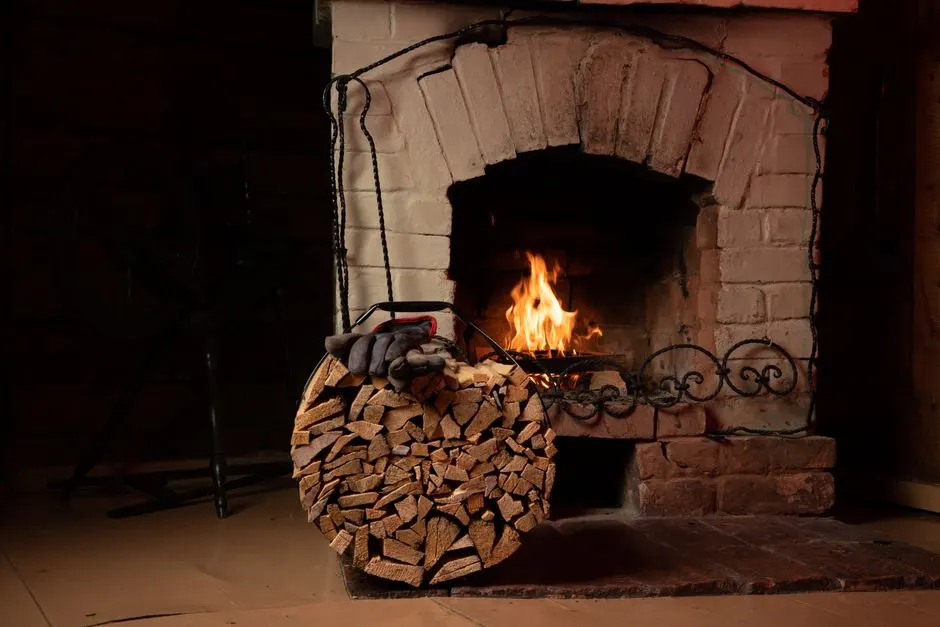
For the fireplace, a sweep removes creosote and checks the damper, cap, and firebox. If you burn wood regularly, sweep once a year. If you burn occasionally, every two to three years is fine, but have it inspected annually.
Gas fireplaces need their own attention. The glass, logs, and pilot assembly should be cleaned yearly, and the venting checked for blockages. Birds nest in direct-vent caps more often than people expect.
One more thing: never run a generator, charcoal grill, or camp stove indoors. We respond to smoke damage restoration WHITEWATER CA calls every winter that started with someone trying to heat a room during an outage. The fire risk is real, and the carbon monoxide risk is worse.
A room-by-room home fire safety checklist for Whitewater CA
A home fire safety checklist WHITEWATER CA homeowners can actually finish in one weekend looks like this. Work through it in order and you will cover the high-risk spots first.
Living room and bedrooms
- Keep space heaters on a hard, level surface, three feet from anything that can burn.
- Plug heaters directly into a wall outlet, never a power strip.
- Replace any extension cord that feels warm to the touch.
- Test smoke alarms and carbon monoxide detectors. Replace batteries twice a year.
- Keep a fire extinguisher rated ABC within reach of the main living area.
Kitchen
- Clean the range hood and filter. Grease buildup is a fire waiting for a spark.
- Keep a lid nearby for grease fires. Never throw water on one.
- Check the refrigerator and microwave cords for fraying.
Laundry and utility room
- Clean the dryer lint trap after every load and the vent duct once a year.
- Check the furnace filter monthly during heating season and change it every one to three months.
- Keep the area around the furnace and water heater clear of boxes, rags, and paint cans.
Attic and chimney
- Inspect the chimney cap and flue for nests and debris.
- Check attic insulation clearance around recessed lights and chimney pipes. Insulation should stay at least three inches from any heat source.
- Look for scorch marks or rust on the flue pipe.
If you live in an apartment or rental, some of this falls on the landlord. We handle plenty of tenant fire damage cleanup WHITEWATER CA jobs where a tenant did everything right and the building's wiring or venting was the problem. Document what you find and report it in writing.
How often should you inspect your heater for fire safety in Whitewater CA?
You should have your heater professionally inspected once a year, ideally in September or October before you start running it daily. Change the filter every one to three months during heating season, and check it monthly if you have pets or a lot of dust.
Here is the schedule we recommend for Whitewater homes:
- Annual: professional furnace inspection, chimney sweep, dryer vent cleaning.
- Monthly: filter check, smoke alarm test, space heater cord inspection.
- Twice a year: smoke and CO alarm battery replacement, fire extinguisher pressure check.
- Every 10 years: replace smoke alarms entirely. The sensors degrade.
A furnace that is 15 years or older deserves a closer look. We see more heat exchanger failures in units past that mark, and a failed exchanger is a fire and carbon monoxide risk at the same time.
Common mistakes that raise winter fire risk
The most common mistake we see is treating a space heater like furniture. People set it on a carpet, tuck it next to a recliner, and walk away. That is how living room fires start.
Other mistakes that show up in our fire damage clean up WHITEWATER CA work:
- Never cleaning the chimney. Creosote builds up faster than people think, especially with damp wood or a smoldering fire.
- Using the oven to heat the house. A gas oven running for hours is a carbon monoxide source and a fire risk.
- Overloading circuits. Two heaters on one circuit is the classic winter electrical fire.
- Ignoring the smell of burning plastic. That smell usually means a wire or outlet is overheating. Shut the breaker off and get it looked at.
- Leaving candles unattended. Battery-powered candles cost less than a fire claim.
We also see problems in older homes around the Fire Damage Restoration in University of Wisconsin-Whitewater Area, where student rentals often have aging wiring and a rotating cast of tenants who do not know the building's quirks. If you rent to students, put heater and outlet safety in the lease and inspect between tenants.
When to call a professional
Call a professional when you smell burning, see scorch marks, notice a cracked heat exchanger, or have a chimney that has not been swept in more than two years. Those are the signs that a fire is one cold night away.
Our team at Fire Damage Restoration Whitewater handles the cleanup and restoration side when a fire does happen, but we would rather help you prevent one. If you are not sure whether your furnace, chimney, or wiring is safe, we can point you to the right inspection and, if something has already burned, we take it from there.
We also work with landlords and property managers across the area on apartment fire cleanup WHITEWATER CA after winter incidents, and we can walk a building before the season starts to flag the obvious risks.
Frequently Asked Questions
How do I prepare my Whitewater home for winter fire risks?
Service the furnace, sweep the chimney, clean the dryer vent, keep space heaters three feet from anything flammable, and test smoke alarms. Do this in October and again in January. Those five steps cover most of the risk in a typical Whitewater home.
What are common winter fire hazards in Whitewater, California?
Space heaters near furniture, unserviced furnaces, clogged dryer vents, creosote buildup in chimneys, and overloaded extension cords. Older homes with original wiring are at higher risk. Most winter fires we see trace back to one of those five.
How often should I inspect my heater for fire safety in Whitewater CA?
Once a year professionally, ideally in September or October. Change the filter every one to three months during heating season. If the unit is 15 years or older, have the heat exchanger checked closely every year.
Who can help prevent winter fires in Whitewater CA?
HVAC technicians, chimney sweeps, and electricians handle the inspections. Fire Damage Restoration Whitewater handles cleanup and restoration if a fire does happen, and we can advise on what to check after any smoke or scorch event.
Is it safe to use a space heater overnight?
Only if the unit is rated for it and has an automatic shutoff. Keep it three feet from bedding and furniture, plug it directly into a wall outlet, and never run it in a room where someone is sleeping heavily or a pet could knock it over.
Get help with Fire Damage Restoration in Whitewater
If a winter fire has already damaged your home, we can assess the smoke, soot, and structural damage and start restoration the same day. Call Fire Damage Restoration Whitewater at (833) 929-6186 and we will walk you through the next step.